6 October 2026
The Grain Our Grandparents Ate - And Why It's Back
There's a particular kind of memory a lot of us share without realizing it: a grandmother rolling out bhakri on a hot tawa, the smell of roasted grain filling a small kitchen, a plate that looked nothing like...

The Grain Our Grandparents Ate - And Why It's Back
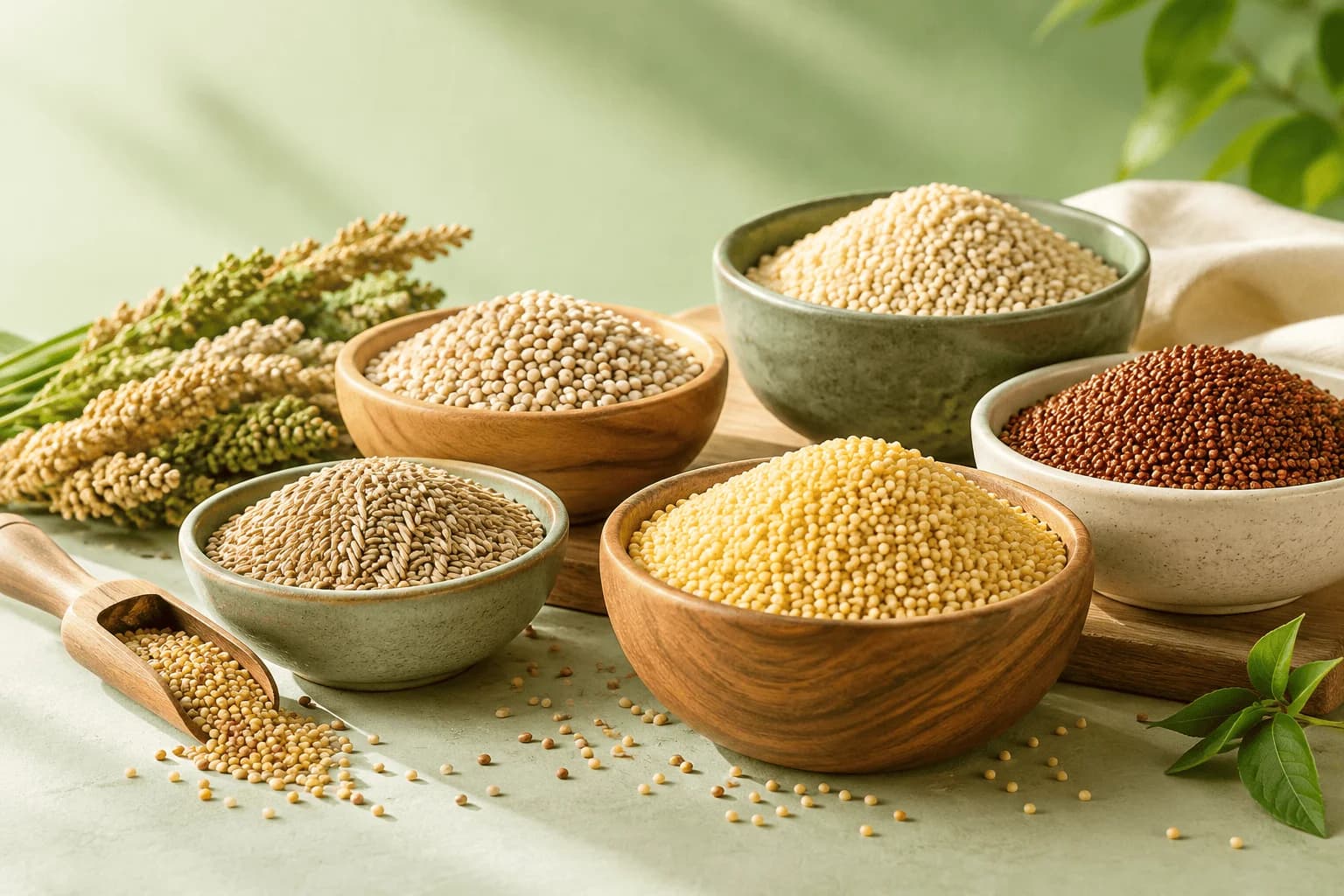
There's a particular kind of memory a lot of us share without realizing it: a grandmother rolling out bhakri on a hot tawa, the smell of roasted grain filling a small kitchen, a plate that looked nothing like the polished, packaged food most of us grew up eating later. Millets were just dinner back then. Nobody called them a superfood. Nobody needed to.
Somewhere between then and now, that plate quietly disappeared from most Indian kitchens, pushed out by rice and wheat that were easier to grow at scale and simpler to cook fast. And now, decades later, millets are back not as nostalgia, but as one of the more sensible additions to a modern healthy diet.
Why Millets Disappeared in the First Place
It wasn't that millets stopped being good for you. It was mostly about convenience. Rice and wheat cook faster, store easier, and become heavily subsidized staples across the country. Millets, which often need a bit more preparation and don't have the same soft, fluffy texture, slowly got pushed to the margins associated with poverty rather than nutrition, ironically, despite being some of the most nutrient-dense grains available.
That perception has finally started to reverse, helped along by a wave of research highlighting exactly what our grandparents' generation seemed to know instinctively.
What Made Millets Worth Eating in the First Place
Millets like jowar, bajra, and ragi share a few traits that make them genuinely useful, not just trendy:
Naturally gluten free, which matters for anyone managing gluten sensitivity
Higher in fiber than refined grains, supporting digestion and satiety
Lower glycemic index compared to white rice or refined flour, which helps with steadier blood sugar
Rich in minerals like iron and calcium, depending on the specific millet
None of this is new information dressed up in modern branding. It's largely why millet-based meals were a daily staple for generations before processed, refined alternatives took over.
From Grandma's Kitchen to Today's Snack Shelf
The biggest shift isn't in the grain itself, it's in the form it comes in. Where millets used to mean rotis, porridge, or khichdi, they're now showing up as roasted snacks, crunchy puffs, and savory namkeen that fit into a much faster lifestyle.
This matters because most people aren't going to start their day grinding millet flour by hand. But reaching for a pack of roasted millet snacks instead of fried chips, or a bowl of millet namkeen instead of the usual bhujia, is a realistic way to bring that same nutritional value back into daily life without overhauling an entire routine.
Where Millets Actually Fit Into Modern Eating
Millet-based snacking tends to work well in a few very specific, everyday situations:
As a lighter alternative when you're watching calories, since many millet snacks are naturally lower in fat than deep-fried options, making them a sensible pick for snacks for weight loss
As something to hand kids that's actually made from a whole grain rather than refined flour, which is part of why millets show up so often in conversations about healthy snacks for kids
As an easy swap during a busy week, when cooking a full millet meal isn't realistic but grabbing a handful of roasted millet still is
None of this requires becoming a purist about it. Even occasional swaps add up over time.
Why This Feels Like a Genuine Comeback, Not a Trend
Food trends usually fade once the novelty wears off. Millets are behaving differently, partly because the push isn't just coming from health-conscious consumers, it's being backed by agricultural policy, nutritional research, and a broader recognition that these grains were never actually inferior to begin with. They were just inconvenient for an era that prioritized speed over substance.
That's part of why this shift feels less like a passing wellness fad and more like a course correction, a return to something that worked well for a very long time before convenience temporarily won out.
Frequently Asked Questions
Are millets actually healthier than rice and wheat?
Millets generally contain more fiber and have a lower glycemic index than processed rice and wheat, which can aid in better blood sugar regulation and feeling full for longer. They're not inherently "better" for everyone, but they add nutritional variety many diets are missing.
Why did millets fall out of everyday use in Indian households?
Mostly due to convenience. But rice and wheat became easier to grow on a large scale, cook quickly and store. The nutritional strengths of millets gradually pushed it to the margins of the diet.
Are Millet Snacks a Replacement for Fried Snacks?
Many of the roasted or baked millet based snacks are naturally lower in fat compared to the deep fried ones and can be a viable substitute for regular munching.
Are millet snacks good for kids to eat every day?
Yes, millets like ragi are often suggested for children because of their calcium and wholegrain nutrition, but it’s still good to have variety in a child’s diet.
Is switching to millets difficult if I'm used to rice and wheat?
Not necessarily. Small swaps, like choosing a millet snack instead of a fried one a few times a week, are an easy starting point without needing to overhaul your entire diet.
Conclusion
The grain our grandparents ate never actually stopped being good for us, it just stopped being convenient for a while. Millets are finding their way back into everyday life now, not as some rediscovered secret, but as a practical, best healthy snacks category that fits comfortably into how people actually eat today. Sometimes progress looks like moving forward. This time, it looks a lot like going back.