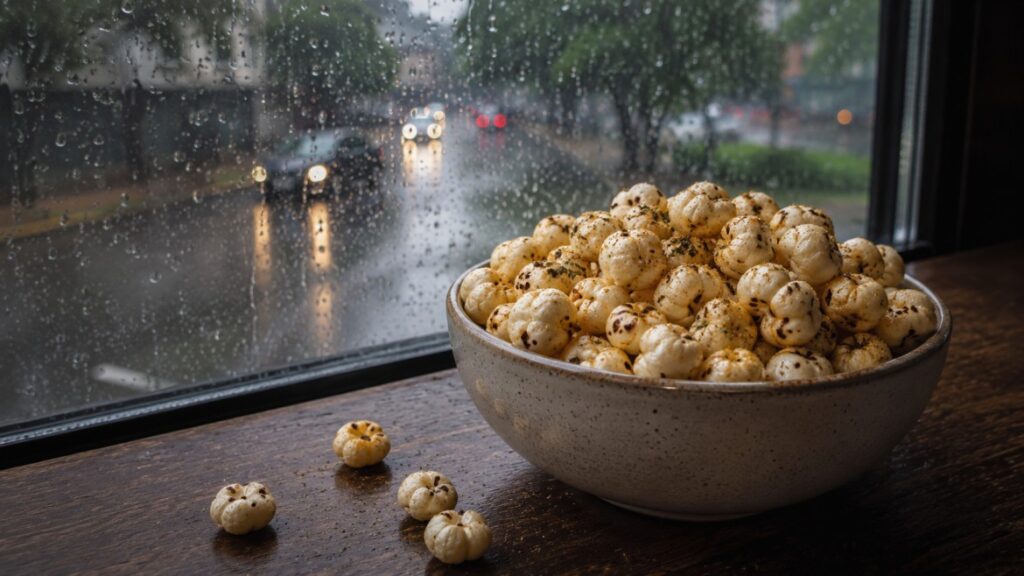
The sound of rain on the window gives us the desire to taste hot pakoras or crispy samosas. It is almost a natural instinct–monsoon, and the desire to fry. Behind such over powering crunch, there is actually a lot of oil, maida, and empty calories that your body would have to contend with well after the rain has fallen.
The good news? You don’t have to choose between comfort and health. You can have all the warm, crunchy monsoon experience, without the oil slick, with the right healthy snack ideas. This is why the cravings are so intense, and a list of the best healthy snacks (some of them are also great millet snacks) to fulfill them without compromising your healthy diet.
Why We Crave Fried Food in the Monsoon?
Damp, colder weather provokes a slight decrease in energy, and the body tends to compensate for it through food rich in calories and warm food. And since humidity also retards digestion a little, the heavy snacks fried up feel good on your gut, although they are rougher. Combine the nostalgia of chai and pakoras by the window, and the desire is not as much about hunger as it is about habit.
It is not a desire to have something warm and tasty: it is what is typically available on the streets: refined oil, low-nutrient maida, and the frying temperatures that have the potential to produce toxic substances with repeated use. All that is not conducive to a healthy diet, particularly when it is followed for three or four months of the year.

What to Look for in a Healthy Snack?
• Preparation technique – baked, roasted, or air-puffed, and not deep-fried.
• Ingredient list – whole grains and millets in place of refined flour.
• Calorie content – low-calorie snacks content, yet they do not compromise on taste.
• Digestibility — gluten-free snacks are clever when you are prone to bloating during low-pressure weather.
• Satiety – fibre and protein will help you stay fuller, as you will not go back to the second plate.
Best Healthy Snacks for Monsoon Evenings
Roasted Makhana (Fox Nuts): Low in fat, high in fibre, and absorbs any flavour, peri peri, turmeric-pepper, or a light roast of ghee. A few of them provide you with crunch with a fraction of the calories of a fried snack.
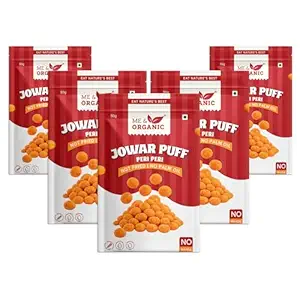
Millet Puffs and Millet Snacks: Here the millets shine. Jowar (sorghum) puffs provide the same savoury, crunchy pleasure that chips do, except that they are air-puffed and made of whole grain rather than refined flour. Millet snacks contain no gluten and are a nice choice when you have gluten sensitivity or when you simply consume more whole grains. The flavours such as cream and onion, peri peri, or bhel-style puffs will create that nostalgic feel of the street food without using oil.
Multigrain Crispy Bites: When you can’t resist pakoras, these are a smarter choice – a combination of grains, not refined flour, and a richer texture and nutrients to your evening chai.
Sprouted Moong Chaat: Sprouts cooked and then steamed and served with onion, tomato, lemon, and chaat masala are a light snack, low in calories, high in protein, naturally gluten-free, and digestible.
Roasted Chana: Rich in protein and fibre, hearty and infinitely spiceable. Keep a dish at your desk to graze guiltlessly.
Baked Millet Cheese Balls: A sticky savoury snack that is not deep-fried – evidence that millet snacks can be decadent and fit into a healthy diet.
Jowar Bhel: Street-style bhel. A monsoon favourite, puffed rice bases are usually fried, and chutneys are laced with sugar. The jowar-based bhel offers the same tangy-crunchy chaat taste with the fibre and nutritional content of millet.
Simple Snacking Habits for the Season
Plan ahead. The cravings become the worst when you are caught by surprise. Have healthy snacks, makhana, millet puffs, and roasted chana within reach so that you are not drawn to the closest fried stall.
Watch your beverages. Chai full of sugar is quick to add. Attempt to decrease sugar progressively or use herbal tea.
Portion control, don’t restrict. Take a bowl of millet snacks instead of eating the packet — it will put you into the habit of not eating too much.
Read labels. Not all things that are being sold as healthy are. Find short ingredient lists, low added sugar, roasting, baking, or air-puffing instead of frying.
Why Millets Deserve a Spot in Your Snack Box?
Jowar, ragi, and bajra are millets that Indian people have been consuming for centuries, and they are coming back with a reason. They are gluten-free, higher in fibre, and have a lower glycemic index than refined flour, which releases energy more slowly, which is helpful when you are already combating weather-induced afternoon doldrums. Millet snacks are also less likely to send you to the snack bowl all night, as they are whole grains and leave you fuller longer.
The Takeaway
Snacking and monsoon are two words that are inseparable, and that will not change, but what will be on the plate will. Substitute deep-fried dishes with roasted, baked, or air-puffed, switch to snacks made of millet and other whole grains, and develop a couple of mindful habits to make part of your evening routine. In that manner, all the rainy-evening cravings are satisfied without the accompanying guilt.
Then, when the rain falls next time, grab a bowl of millet puffs or roasted makhana, rather than the closest fried snack stand. Your sense of taste will appreciate it, as will your body.