Walk into pretty much any grocery store these days and you’ll spot millet somewhere as a flour, a rice substitute, or packed into some of the best healthy snacks sitting near the checkout counter. The funny thing is, millet isn’t some new discovery. It’s one of the oldest grains humans have ever farmed, and it’s just finally getting the spotlight it always deserved. So what is millet, really, and why does it keep turning up in every other healthy snack idea? Let’s dig in.
So, What Is Millet, Exactly?
Here’s something people often get wrong: millet isn’t one grain. It’s more like a family name for a bunch of small-seeded grasses grown as food crops for thousands of years, mostly across Asia and Africa. Wheat is wheat, rice is rice. Millet covers several completely different grains, each with its own taste and nutritional strengths.
The ones you’ll run into most often:
- Jowar (Sorghum) – mild, versatile, often swapped in for rice or wheat
- Bajra (Pearl millet) – dense, nutty, a classic in flatbreads
- Ragi (Finger millet) – earthy, and famous for its calcium content
- Foxtail millet – light and fluffy, a bit like couscous
- Barnyard millet – very high in fibre, often eaten during fasts
In India, millets have quietly fed entire regions for centuries, especially where rain doesn’t cooperate enough for rice or wheat. What’s actually new is the shift of millets moving from “grandma’s cooking” to a genuinely mainstream ingredient in crunchy millet snacks you’d grab without thinking twice.
Why Is Everyone Suddenly Talking About It?
For a couple of decades, millets basically got pushed aside. Polished rice and refined wheat felt cheaper, faster, more “modern.” But as diabetes, obesity, and heart disease became almost normal instead of rare, nutritionists started steering people back toward whole grains and millet ticks nearly every box for anyone genuinely trying to eat a healthy diet.
It’s not just word-of-mouth, either. The UN declared 2023 the International Year of Millets, an idea largely pushed by India, spotlighting millets as a fix for both nutrition gaps and climate-stressed farming. That’s real agricultural logic, not clever branding and it’s a big reason millet snacks are now taken seriously as an alternative to fried, refined-flour options.
What’s Actually In It?
The exact numbers shift by variety, but broadly, millet brings:
Fibre – noticeably more than refined wheat or polished rice, keeping you full longer. A big reason millet-based options land on so many best healthy snacks lists.
Protein – meaningfully more than rice, useful if you’re eating mostly plant-based.
Minerals– iron, magnesium, phosphorus, potassium, plus ragi’s standout calcium content.
Low glycemic index – a slower, gentler rise in blood sugar, exactly what you want from low calorie snacks that won’t leave you crashing an hour later.
Naturally gluten-free – not processed to remove gluten, just built that way, which is why millet is such a reliable category of gluten free snacks.
The Real Health Benefits
Steadier blood sugar. The fibre slows glucose absorption, softening the spikes refined carbs usually cause a big reason millets get recommended for diabetes and prediabetes management.
Better digestion. Fibre keeps things moving and doubles as a prebiotic, feeding the good bacteria in your gut.
A healthier heart. Magnesium and potassium support blood pressure regulation, and varieties like foxtail and finger millet may help with cholesterol too, as part of a balanced healthy diet.
Easier weight management. Fiber plus protein keeps you full longer, which is exactly why low calorie snacks made from millet are replacing fried, refined-flour ones with the same crunch, none of the calorie baggage.
Turning Nutrition Into Something You Actually Eat
None of this matters much if it stays locked inside a traditional thali. That’s where millet snacks earn their place, something you can grab at your desk, toss in a bag, or reach for during that predictable evening slump.
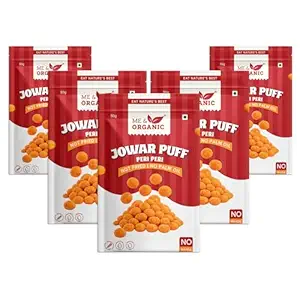
Millet puffs, for instance, give you the same crunchy satisfaction as chips, except they’re air-puffed instead of deep-fried and made from whole grain instead of refined flour. That’s why they land on nearly every list of best healthy snacks out there.
A few practical healthy snack ideas worth trying:
- Millet puffs in peri peri or cream & onion
- Multigrain crispy bites for something more filling
- Millet-based bhel for a tangy, chaat-style hit
- Millet khakhra alongside your evening chai
These work especially well as snacks for evening, right when cravings for something crunchy tend to peak. Swapping a fried snack for a millet one at that moment is one of the easiest changes toward a more consistent healthy diet without feeling like a sacrifice.
The Environmental Angle
Beyond personal health, millets are drought-resistant, need far less water than rice or wheat, and grow in poor soil where other crops struggle, a real advantage as farming everywhere deals with unpredictable weather.
FAQs
Q1. Is millet a type of rice or wheat?
No, it’s its own category of small-seeded grasses. Jowar, bajra, and ragi are all distinct grains, each with different texture and nutrition.
Q2. Which millet is best for weight management?
Most varieties help thanks to fibre and protein, but foxtail and barnyard millet are often favoured for their especially high fibre-to-calorie ratio.
Q3. Is ragi’s calcium reputation actually deserved?
Yes, it’s genuinely one of the richest plant-based calcium sources, especially useful for vegetarians and vegans.
Conclusion
Millet was never really a trendy new superfood; it’s an old, sturdy grain finally getting the recognition it deserves. Between steadier blood sugar, better digestion, a healthier heart, and stronger bones, plus being naturally gluten-free, it offers a rare mix of real health value and everyday practicality. And with millet snacks now on nearly every shelf, you don’t need to overhaul your diet overnight, just swap your next fried snack for a millet-based one and let the grain do the rest.