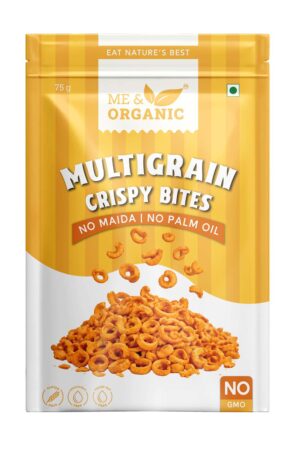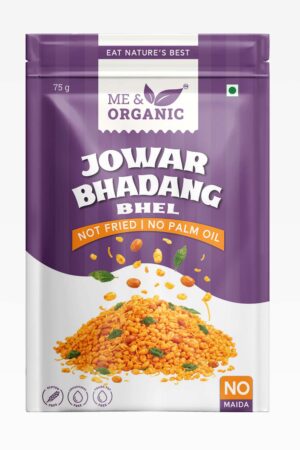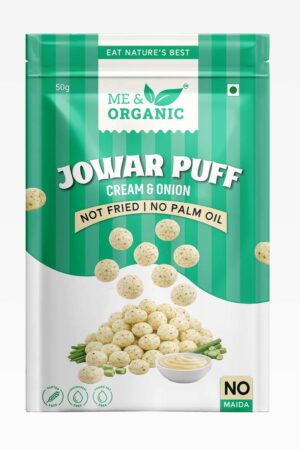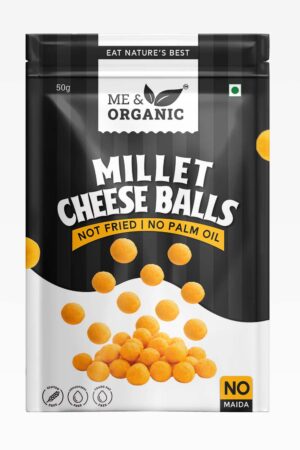
There are two primary options available to you when you enter a grocery store: organic and non-organic. Even though they may have similar appearances, the true differences start at the bottom.
Organic food is produced without the use of preservatives, chemical fertilizers, synthetic pesticides, or genetically modified organisms (GMOs). Organic dairy and meat are produced from animals that were not given growth hormones or antibiotics, and fruits and vegetables are grown using natural farming practices in nutrient-rich soil. Your food is therefore free of potentially hazardous residues, cleaner, and higher in nutrients.
Non-organic food frequently goes through extensive chemical treatments to increase yield, prolong shelf life, and improve appearance. These techniques may boost production efficiency, but they may also leave behind genetically modified ingredients, artificial additives, and pesticide residues. Regular consumption of these foods over time may increase the risk of developing chronic diseases, hormonal imbalances, and weakened immune systems.
In terms of nutrition, organic produce frequently has higher concentrations of vitamins, minerals, and antioxidants. Because organic food is grown naturally without the use of artificial ripening agents, many people also find that it tastes fresher and more flavorful.
The decision affects the environment in addition to health. In contrast to conventional farming, which can deplete natural resources and contribute to pollution, organic farming maintains soil health, lowers water pollution, and promotes biodiversity.
Choosing organic is essentially a commitment to a cleaner, healthier, and more sustainable food system that goes beyond simply avoiding dangerous chemicals. Organic food has long-term advantages for the environment and your health, even though non-organic options might seem more affordable right now.
The Organic Choice Is the Healthier Choice
Choosing organic means adopting a lifestyle that prioritizes sustainability, nutrition, and purity rather than merely staying away from chemicals. Whenever you choose organic, you’re supporting ethical farming methods, preserving the environment, and investing in your long-term health.
The next time you go shopping, keep in mind that you are influencing your future one bite at a time, not just purchasing food.